-
Applications
-
Product Families
-
About Bruynzeel
-
Highlights
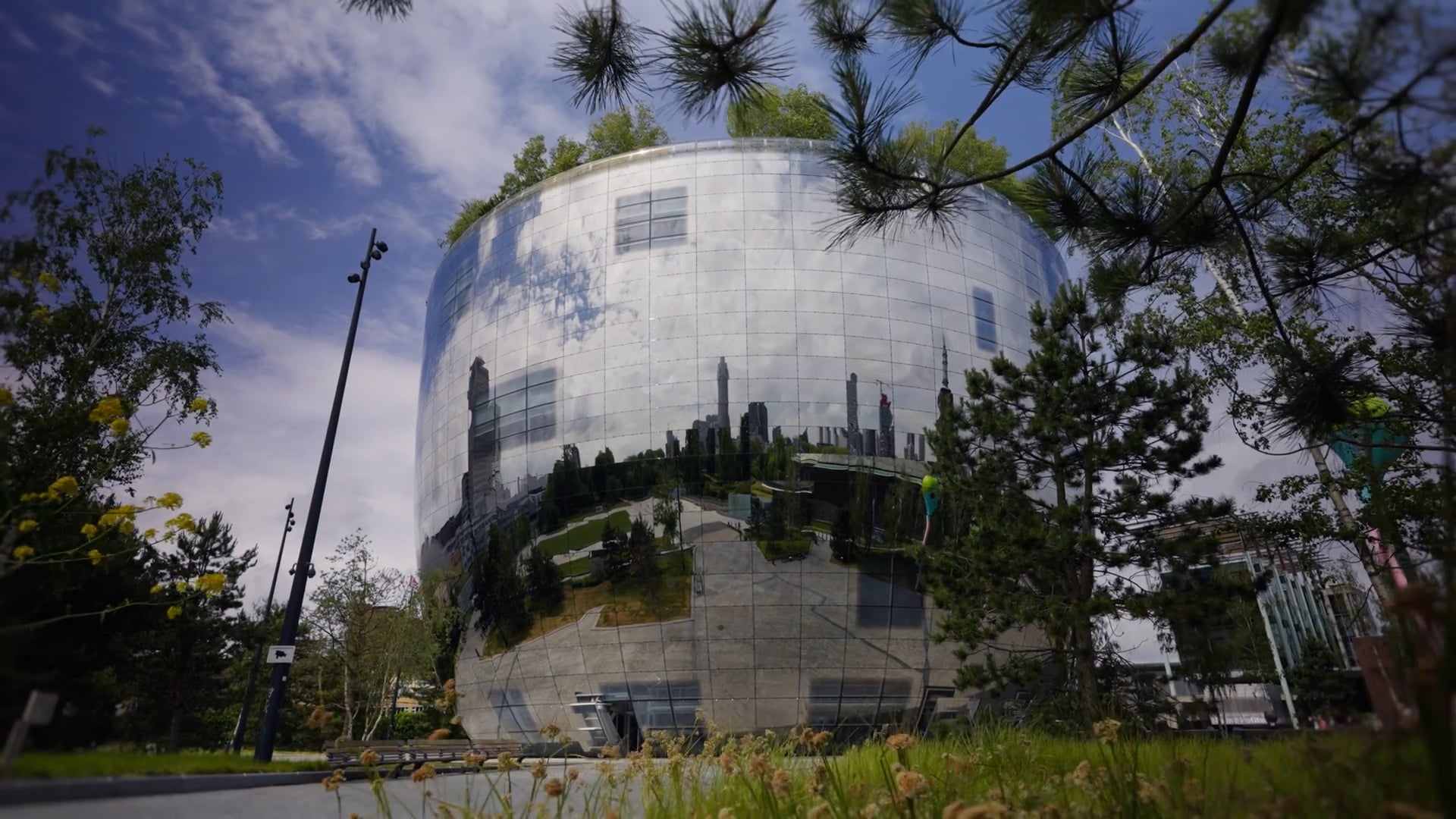
Rotterdam, the Netherlands
Depot Boijmans Van Beuningen
In Rotterdam’s Museumpark stands a building that has attracted attention from around the world. The Depot of Museum Boijmans Van Beuningen is the world’s first fully publicly accessible art storage facility, offering visitors a unique behind-the-scenes look at museum collection management.
With more than 155,000 artworks under one roof, the Depot brings together collection management, conservation and the visitor experience. To make this ambition possible, the Depot of Museum Boijmans Van Beuningen partnered with Bruynzeel Storage Systems. The result is an innovative storage environment where custom solutions, transparency and space efficiency go hand in hand.

More than a place to store art
The initial reason for developing the depot was practical. The collection of the Depot of Museum Boijmans Van Beuningen was spread across several locations, and some of the existing storage facilities no longer met future requirements.
But a greater ambition soon emerged. Why should a storage facility only be accessible to museum staff? Most museum collections are normally kept behind closed doors. Visitors see only a fraction of what a museum actually holds.
Boijmans wanted to take a different approach. The Depot needed to become not only a safe place for the collection, but also a place where visitors could discover what is involved in managing, researching and conserving art. This idea formed the basis for a building where collection management and the visitor experience come together.


A building that set its own rules
MVRDV’s design gave the Depot its iconic appearance, but at the same time created a range of challenges. The building’s curved shape, the varying diameters of each floor and the many structural columns made it impossible to rely on standard solutions.
In addition, the Depot had to function as more than just a storage facility. Visitors move through the building, look into storage areas and gain insight into processes that are normally hidden from view. This called for an interior that had to be both practical and inviting.
The collection itself also placed high demands on the storage environment. More than 155,000 objects, ranging from paintings and photography to glassware, design objects and installations, each require their own methods of storage, handling and conservation.

A five-year puzzle
The development of the Depot was a process that took years. As the project progressed, plans were refined, designs were adjusted and new insights were incorporated. The combination of architecture, collection management, public access and technology made the project exceptionally complex.
At the same time, the largest relocations in the museum’s history was taking place. Artworks from five different storage locations had to be registered, prepared and transferred into an entirely new storage structure.
Every decision affected the next step. From visitor flows and sightlines to climate control and storage capacity. The Depot as it exists today is the result of years of preparation and coordination between all parties involved.
Most museum collections are normally kept behind closed doors. With the Depot, we wanted to make that story visible.


Every meter required a custom solution
To accommodate the collection, Bruynzeel developed custom solutions tailored to the building’s architecture and the museum’s requirements. In the painting storage areas, rails were arranged in a fan-shaped layout to follow the curve of the building, making optimal use of the available space while creating a distinctive presentation of the collection.
The mobile storage systems were also adapted to the shape of the rooms, with shelving designed around structural columns to use every available square metre efficiently. Because different materials require different environmental conditions, the Depot includes several climate-controlled compartments and storage solutions tailored to the needs of the various sub-collections.
Transparency was a key focus from the start. Large glass panels, open sightlines and adapted storage systems allow visitors to see what happens behind the scenes without compromising safety or preservation.

From sparring partner to project partner
Throughout the entire process, Bruynzeel worked closely with the Depot of Museum Boijmans Van Beuningen and the other parties involved. This collaboration went far beyond simply supplying storage systems.
From the earliest design stages, Bruynzeel contributed ideas about the layout of the Depot, the storage strategy and how accessibility could be combined with the preservation of the collection. By bringing together knowledge and experience, solutions were developed that matched both the collection and the building’s exceptional architecture.
It was this continuous interaction between design, technology and practice that made it possible to create a depot fully aligned with the museum’s ambitions.


A depot that inspires the world
Since opening, the Depot of Museum Boijmans Van Beuningen has attracted international attention from visitors, architects, museum professionals and collection managers. The building demonstrates that collection management does not have to take place behind closed doors.
For Museum Boijmans Van Beuningen, the Depot means that the entire collection can be managed, researched and preserved in optimal conditions at a single location. At the same time, it offers visitors a unique opportunity to discover the world behind the scenes of a museum.
For Bruynzeel, the project is a remarkable example of what can be achieved when technical expertise, custom solutions and close collaboration come together. The result is a depot that not only houses one of the Netherlands’ most important art collections, but also serves as an inspiration for museums around the world.
Ultimately, it is about preserving the art for eternity. That must always be the starting point.